

Sidebar
Latest blogs
-

Wedding Guest Etiquette: Do’s & Don’ts You Need to Know
July 29, 2025
-

Sticky Bras vs. Bra Inserts: Which One Is Right for You?
July 29, 2025
-


Bra Inserts Under Thin Fabrics : How To Stay Invisible
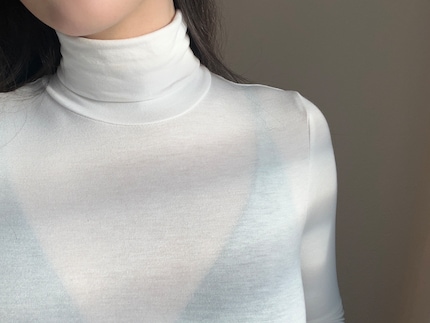
Thin fabrics don’t simply cover the body — they behave more like a lens.
A silk blouse, a fine knit top, or a lightweight white T-shirt doesn’t conceal what’s underneath. Instead, it translates everything below the surface into visual signals: light, shadow, texture, and movement. This is why something as small as a bra insert edge can suddenly become visible, even when the insert itself isn’t large or thick.
What many people misunderstand is that visibility under thin fabrics is not caused by “bulk,” but by interruption. When the internal structure disrupts how fabric naturally drapes, reflects light, or moves with the body, it becomes perceptible — sometimes subtly, sometimes uncomfortably obvious.
Why Most Bra Inserts Become Visible
The failure of most bra inserts under thin fabrics is surprisingly consistent. It comes down to three underlying mismatches between the insert and the behavior of the fabric.
The first is the way edges are constructed. Many traditional foam pads or standard silicone inserts are designed with functional thickness in mind, but not visual continuity. Their edges tend to taper too quickly, creating a sudden shift in thickness. When a thin fabric lies over that transition, light reacts differently across the surface, forming a faint but noticeable contour line. It’s not that the insert is showing — it’s that the fabric is revealing the change.
The second issue appears only when you move. Soft fabrics follow the body closely, responding to subtle shifts in posture, breathing, and motion. But if the insert inside is too rigid, it doesn’t participate in that movement. Instead, it holds its own shape. The result is a disconnect: the fabric flows, but the structure beneath resists. This often shows up as slight wrinkling, tension points, or a shape that feels visually “fixed” in contrast to the rest of the garment.
The third factor is light itself. Under bright environments or flash photography, thin fabrics don’t just transmit light — they also reveal how materials reflect it. Glossy silicone, in particular, can create a faint sheen that reads as artificial when seen through fabric. Even color plays a role here. A shade that seems neutral on its own can become visible once filtered through a semi-sheer layer.
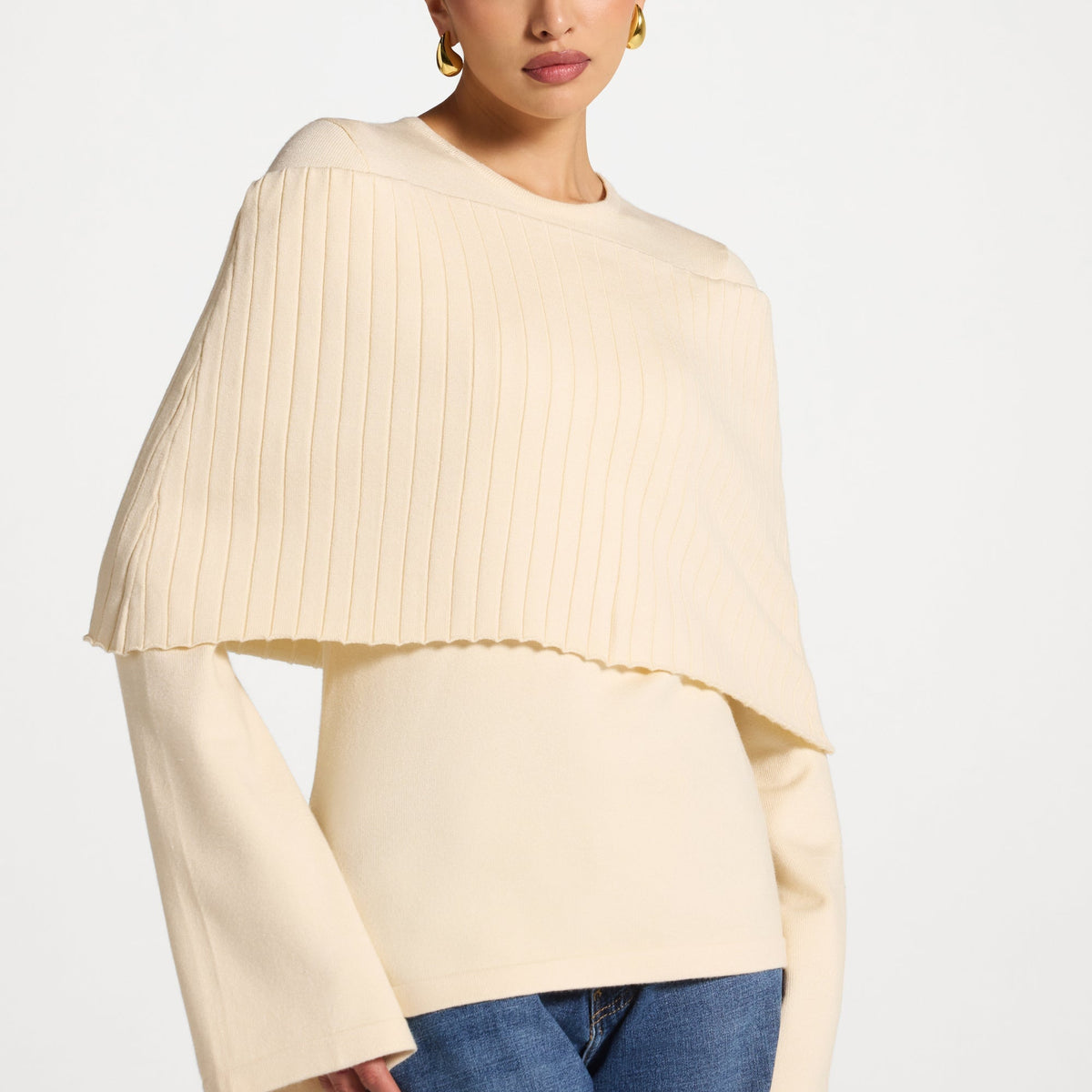
Niidor’s Approach: Designing for What the Fabric Reveals
What makes Niidor thin bra inserts different is not simply material quality, but the way their design acknowledges how thin fabrics behave.
Rather than treating inserts as standalone support tools, Niidor approaches them as something that must visually disappear once worn. This shift in perspective changes how every detail is engineered.
The surface, for instance, is intentionally treated to reduce reflectivity. Instead of the smooth, glossy finish found in many silicone products, Niidor uses a matte or micro-textured finish that diffuses light. Under sheer or light-colored fabrics, this prevents the kind of subtle shine that often gives inserts away. The result is closer to how natural skin interacts with light — soft, non-reflective, and visually quiet.
More importantly, the edges are not simply “thin,” but gradually reduced to the point where they become almost imperceptible. The transition from the center thickness to the outer edge happens in a continuous gradient rather than an abrupt drop. When fabric lays over this kind of surface, it no longer encounters a visual break, which is why outlines disappear rather than just becoming less noticeable.
Equally significant is how the material responds to movement. Niidor’s silicone formulation is designed to mimic the softness and elasticity of natural tissue. Instead of holding a rigid form, it subtly adapts as the body moves. This allows the fabric on top to maintain a consistent drape, without the small distortions that typically occur when something underneath resists motion.
Choosing the Right Insert for Different Thin Fabrics

Even with the right design, not every insert works equally well across all thin fabrics. The key difference lies in how the fabric behaves — whether it drapes, stretches, or reveals light.
With silk or satin, the fabric tends to fall freely and respond instantly to gravity. In these cases, adding volume often disrupts the natural flow. A lighter solution, such as ultra-thin coverage inserts, works better because it preserves the fluidity of the garment rather than reshaping it.
In contrast, tight knit fabrics behave differently. They cling to the body and amplify whatever shape exists underneath. Here, structure becomes useful — but only if it remains invisible. This is where Niidor’s thin push-up inserts fit naturally. Their subtle lift comes from a slightly thicker base, while the edges remain soft enough to disappear under tension. Instead of creating pressure lines, they work with the elasticity of the fabric to produce a smoother contour.
For semi-sheer or white fabrics, the challenge shifts toward light and color. In these situations, the insert must not only be thin and soft, but also visually compatible with skin tone. A matte nude finish becomes essential, because it prevents both color contrast and reflective highlights from showing through.
The Subtle Techniques That Make the Difference
What ultimately determines whether an insert remains invisible is not just the product itself, but how it is used in context.
Color choice, for example, often makes a greater difference than thickness. White inserts under white clothing tend to stand out because they reflect more light. A nude tone that closely matches — or is even slightly deeper than — the surrounding skin will absorb light more naturally, reducing visibility.
Placement also changes the outcome in ways that aren’t immediately obvious. When inserts are positioned with a slight angle rather than straight alignment, they follow the natural direction of the chest muscles. This creates a more organic shape under thin fabrics, especially in fitted tops where every contour becomes visible.
Even skin preparation plays a role, particularly with adhesive styles. Any layer between the skin and the insert — whether oil, lotion, or moisture — affects how smoothly the material bonds. And under thin fabrics, even a tiny air pocket can translate into a visible irregularity.
A Realistic Expectation
Niidor performs exceptionally well in most thin fabric scenarios, but it’s worth understanding its limits.
Silicone, by nature, is less breathable than foam or fabric alternatives. In high heat or prolonged wear, especially during intense activity, this can lead to reduced comfort or slight changes in adhesion. In those specific situations, a more breathable, ultra-light option may feel more practical, even if it sacrifices some of the natural look.
However, in everyday styling, social settings, or occasions where appearance matters most, the balance Niidor achieves between invisibility, softness, and shape is difficult to match.
Conclusion
Thin fabrics don’t expose mistakes — they expose design.
When inserts fail, it’s rarely because they are too large or too obvious on their own. It’s because they interrupt the way fabric is meant to behave. Niidor’s advantage lies in understanding that interaction, and designing for it.
When everything works together — material, edge, light, and movement — the result isn’t just better support. It’s the absence of anything noticeable at all.